As the pet market in North America continues to grow, pet water dispensers have become a popular product for cross-border e-commerce and B2B pet supplies purchases. However, the compliance requirements for imported products in the United States are relatively strict. If there are issues with product materials, safety certifications, labels, or import declaration procedures, it is likely to cause customs clearance delays, seizure of goods, or even return of the goods.
This guide will systematically analyze the compliance requirements for pet water dispensers entering the US market in 2026 from five aspects: the US regulatory system, product certification, material compliance, import process, and the operational checklist for B2B sellers.
I. The Regulatory System for Pet Products in the United States (3 Key Institutions to Understand)
Before entering the US market, it is essential to recognize that pet water dispensers fall under the category of pet product equipment. They are generally not classified as pet food or medicine. Therefore, the regulatory focus is on product safety, material safety when in contact with water, labels, and import declaration.
The main regulatory bodies include:
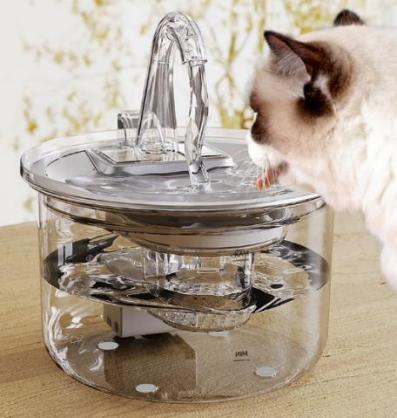
1.FDA (Food and Drug Administration of the United States)
Through its “Veterinary Medicine Center (CVM)”, FDA regulates animal-related products and verifies product information, labels, and usage statements during import.
When conducting import reviews, the FDA typically checks the following information:
- Manufacturer Information
- Importer Information
- Product Usage Description
- Compliance Declaration (A of C Codes)
- Product Labels and Instructions
If the information is incomplete or inaccurate, it may lead to the FDA’s review of the shipment.
Please note:
Pet equipment products generally do not require pre-market approval from the FDA. However, if there are safety or labeling issues with the product, the FDA can still take regulatory actions.
2.CBP (U.S. Customs and Border Protection)
All imported goods must go through CBP clearance, including:
- HS Code Classification Commercial Invoice
- Packing List
- Origin Information
- Importer Record (IOR)
CBP will collaborate with the FDA system to inspect product declaration information.
3.USDA (United States Department of Agriculture)
If the product contains animal-derived materials (such as animal protein filters, etc.), a USDA license may be required. For example, products containing animal components need to obtain a quarantine license from APHIS.
Ordinary pet water dispensers usually do not require such approval, but the materials still need to meet safety standards.
II. Core Compliance Requirements for Pet Water Dispensers
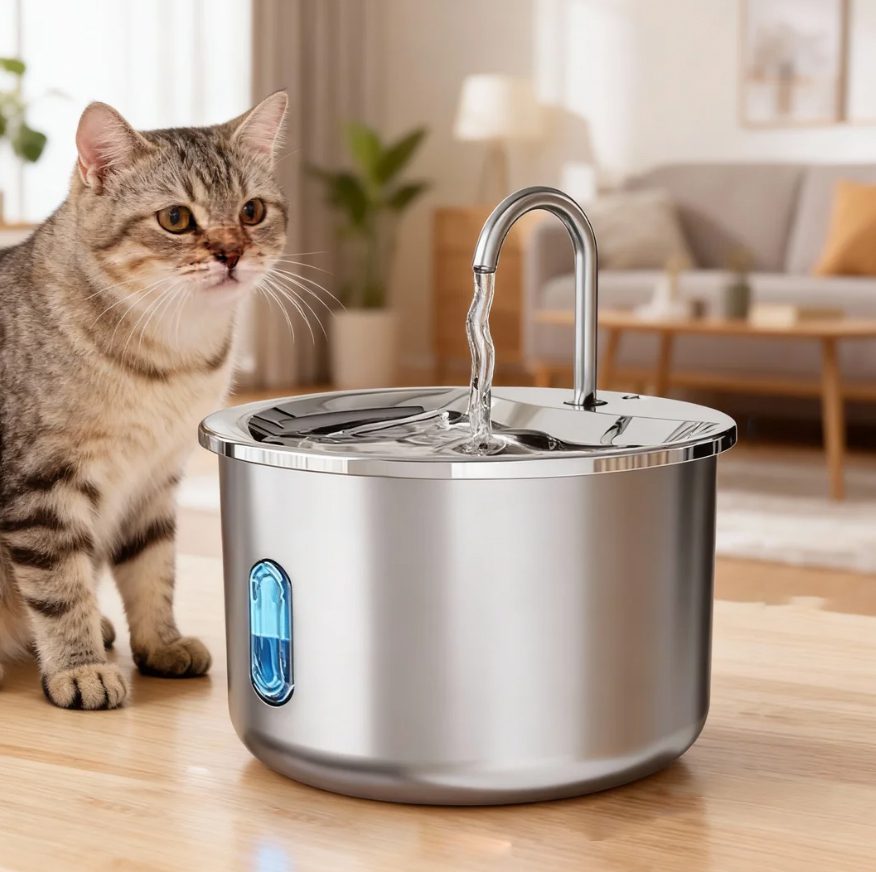
1.Material Safety Compliance
Pet water dispensers are products that come into direct contact with water for an extended period. Material safety is the most critical compliance point for American buyers.
Common material requirements:
| Material | Recommended Certification |
|---|---|
| Food-grade plastic | FDA Food Contact |
| Stainless steel | SUS304 / LFGB |
| Silicone | FDA / LFGB |
| Filter element material | NSF / Food-grade material |
Key point to note:
- The BPA-Free statement must be true.
- The materials must provide test reports.
- Materials in contact with water must meet food-grade standards.
2.Electrical Safety Certification
Pet water dispensers usually contain pumps or power supplies, so they fall under the category of electrical products.
Common certifications in the US market:
| Certification | Whether mandatory | Explanation |
|---|---|---|
| UL / ETL | Strongly recommended | Mainstream safety certification in the United States |
| FCC | If involving wireless | Electronic devices require |
| DOE | Partial electrical appliances | Energy efficiency requirements |
B2B customers usually request:
- UL or ETL test report
- Power adapter certification
3.Label and Instruction Requirements
The product label must clearly indicate:
- Product Name
- Manufacturer Information
- Importer Information Instruction Manual
- Voltage parameters
- Applicable animal types
The FDA will inspect the labels during the import process to ensure that there are no misleading descriptions or incomplete information.
For example:
Correct example:
Pet Water Fountain for Cats & Dogs
For Animal Use Only
III. Import Process in the United States (Standard Process for Pet Products)
When cross-border B2B enterprises enter the US market, they generally follow the following process.
Step 1: Determine the import entity
Required from the United States:
- Importer of Record (IOR)
- or the American agency company
Step 2: Prepare customs clearance documents
Basic documents include:
- Commercial Invoice
- Packing List
- Bill of Lading
- HS Code
Suggested HS Code:
8479.89 Or 3924.90
(It depends specifically on the product structure)
Step 3: FDA Declaration (if applicable)
If the product is identified by the system as an animal-related product, it may be necessary to submit:
- Intended Use Code
- A of C Compliance Statement
Submitting correct information can reduce the probability of being manually reviewed.
Step 4: Customs Clearance
Once the goods pass through the CBP + FDA system, they can be sold in the US market.
IV. List of Compliance Documents Required by B2B Sellers
For cross-border factories or brands, it is recommended to prepare the following materials:
Basic document
- Product Instruction Manual
- Material Declaration
- MSDS (Material Safety Data)
Test report
- Food-grade material testing
- BPA-free report
- LFGB or FDA test
Electrical Safety
- UL / ETL
- Power adapter certification
Trade documents
- Commercial Invoice
- Packing List Certificate of Origin
V. Common Compliance Risks for B2B Sellers (Very Important)
Many pet product factories often make the following mistakes when exporting to the United States:
1.Use ordinary plastic materials
If the product will be in contact with water for a long time, a food-grade certificate must be provided.
2.Power supply lacks certification
In the US retail channels (Amazon / Chewy / PetSmart), the usual requirement is: UL / ETL
3.Incomplete labels
For example, the following are missing:
- Importer Information
- Voltage Specifications
- Usage Warning
4.False Material Declaration
For example:
- “FDA approved”
- “medical grade”
If these statements fail to provide proof, they may be regarded as misleading labels.
VI. Trends in the Pet Supplies Market in 2026 (B2B Opportunities)
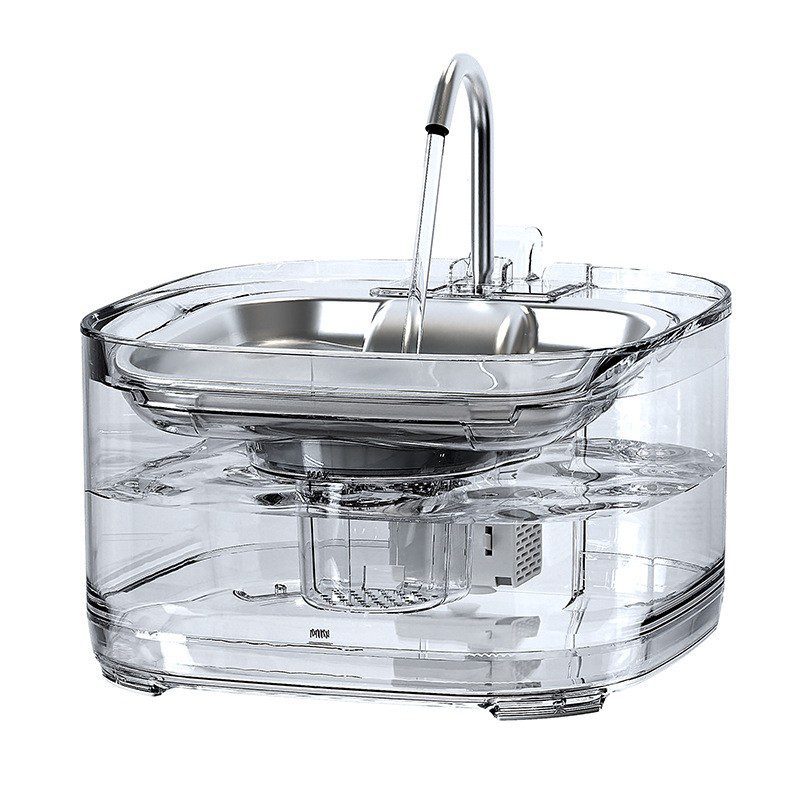
According to the purchasing trends of pet supplies in North America, the directions in which pet water dispensers will become more popular in the future include:
- Stainless steel pet water dispenser
- Wireless pet water dispenser
- Silent water pump design
- Automatic filtration system
- Intelligent APP monitoring
American buyers are more concerned with:
- Product safety
- Comprehensive certification
- Stable supply capacity
Conclusion
For B2B pet supply companies, entering the US market is not difficult, but compliance preparations must be completed in advance.
A brief summary of the key points for the export of pet water dispensers to the United States:
1.Ensure that the materials meet food-grade standards.
2.The electrical components have UL/ETL certifications.
3.The product labels comply with American regulations.
4.Prepare complete import documents.
5.Avoid false compliance claims.
As long as the above preparations are made, the pet water dispenser products can smoothly enter the US pet supplies market.
If you are looking for an OEM/ODM supplier of pet water dispensers, please feel free to contact us to obtain:
- Product Inspection Report
- US market certification program
- Latest B2B product selection list for pet supplies
Help your brand enter the North American market more quickly.