
Quick Answer
When comparing automatic pet fountain vs bowl for cats and dogs, circulating fountain designs better boost daily water intake and protect pets from urinary and kidney diseases. Traditional static bowls only fit travel and backup use.
Introduction: Core Pain Points of Pet Hydration
Every pet owner has witnessed this scene: cats or dogs are fascinated by running tap water yet ignore a full bowl of still water placed right beside it. This is not picky eating but innate animal instinct. In the wild, they naturally choose oxygen-rich flowing streams instead of stagnant water prone to bacterial growth.
This raises a critical question: Is it worth replacing traditional water bowls with automatic circulating pet fountains? This guide comprehensively compares automatic fountains and static bowls from multiple dimensions including water hygiene, pet health, daily maintenance and long-term costs, delivering decision-making references for pet owners and pet product merchants.
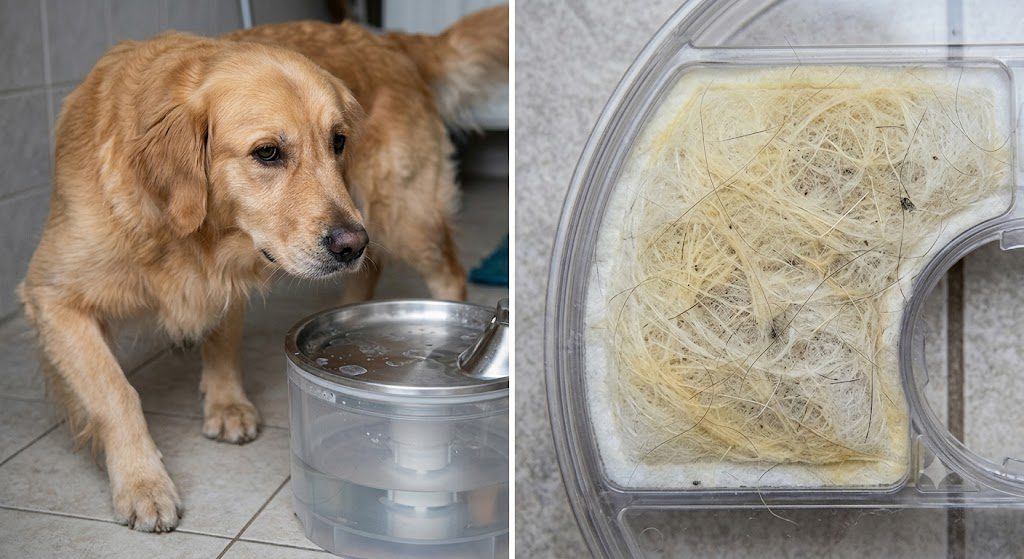
What Is an Automatic Pet Water Fountain? Three Main Types
An automatic pet water fountain is an intelligent drinking device equipped with a silent built-in pump and multi-stage filtration system. It mimics natural running water to align with pets’ drinking instincts, resolving two major drawbacks of traditional bowls: rapidly deteriorating water quality and insufficient pet water intake.
Based on mainstream 2026 market products, we categorize fountains into three core types:
1. USB Continuous Power Model (Top Wholesale SKU)
- Core Advantages: Stable water flow, low failure rate, durable structure and low long-term operating costs.
- Target Users: Households with fixed placement, multi-pet families, bulk purchasers for offline pet stores.
- Wholesale Highlights: Unified molds, flexible capacity options, customizable packaging for small-batch orders.
2. Infrared Wireless Motion Sensor Model (Premium Consumer Bestseller)
- Core Advantages: Upgraded wireless design with built-in rechargeable lithium batteries and PIR motion sensors that activate water flow when pets approach within 3 meters. Cable-free design blends seamlessly with modern home decor.
- Target Users: Young middle-class pet owners in Europe and America, multi-scene feeding in compact apartments.
- OEM Benefits: Customizable battery capacity and shell colors to build brand differentiation.
3. Cat-Specific Water Fountain (Vertical Niche Hit Product)
- Core Advantages: Designed for cats’ timid nature and weak thirst drive, featuring soft waterfall or upward spring water flow with compact bodies (1L–2.5L capacity).
- Market Value: Effectively stimulates cats’ desire to drink water, serving as an essential health product to prevent Feline Lower Urinary Tract Disease (FLUTD), with high repurchase rates for matching filter cartridges.
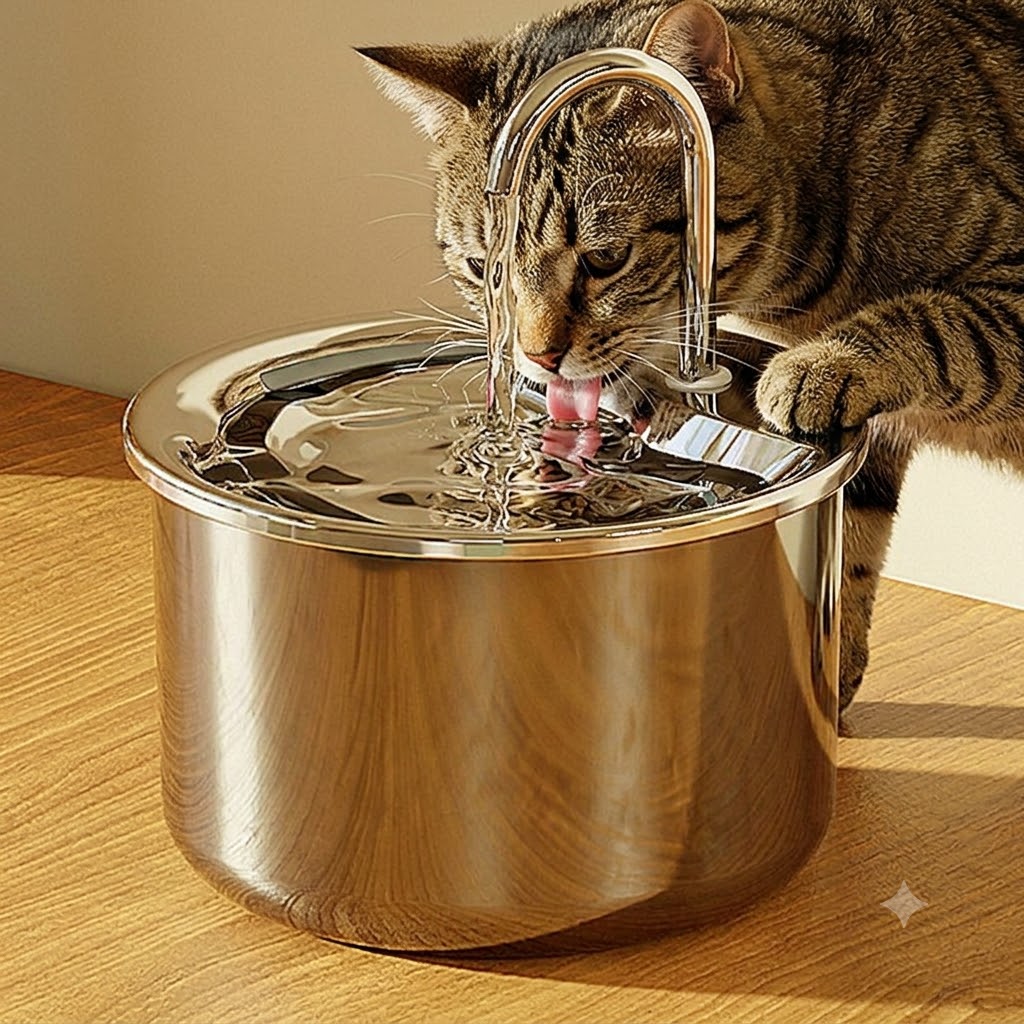
What Is a Traditional Static Pet Water Bowl? Pros & Cons Analysis
A traditional pet water bowl is a basic unpowered drinking container mostly made of stainless steel, ceramic or food-grade PP plastic, with no water circulation or filtration functions.
Core Advantages
- Zero power consumption & completely silent: Ideal for elderly pets sensitive to noise.
- Ultra-low cost: Affordable single purchase price ($5–$20), friendly for budget-limited first-time pet owners.
- Highly portable: Lightweight and foldable variants perfect for travel, hiking and camping.
- Diverse material options: Covers market segments from entry-level to premium tiers.
Unavoidable Drawbacks
- Fast water quality degradation: Biofilm forms within 24 hours in stagnant water, accumulating pet hair, food residues and bacteria that trigger gastrointestinal and urinary tract inflammations.
- Small capacity: Typically 0.3L–1L, requiring frequent refills and unsuitable for multi-pet or large dog households.
- Low appeal to pets: Discourages drinking, leading to significantly reduced water intake and higher risks of chronic illnesses.
Full Comparison: Water Fountain vs. Water Bowl
We sorted 9 core dimensions most valued by consumers and bulk buyers, with quantified data showing clear gaps between the two products:
| Comparison Dimension | Automatic Pet Water Fountain | Traditional Water Bowl |
|---|---|---|
| Water Freshness | Circulated & oxygenated, maintains clean water for 3–5 days | Stagnant water with excessive bacterial growth within 24 hours |
| Water Intake Boost | Running water triggers natural instincts, lifting intake by 30%–50% | Low attraction, pets tend to drink less |
| Sanitation Performance | 4-layer composite filters remove hair, odors and heavy metals | Prone to slippery biofilm and rapid odor buildup |
| Operating Noise | Ultra-quiet pump (25–35dB), barely noticeable | 0 decibels, fully silent |
| Power Requirement | USB wired / wireless rechargeable battery | No electricity needed |
| Daily Maintenance | Full disassembly & cleaning weekly; filter replacement every 2–4 weeks | Daily water change and scrubbing mandatory |
| Purchase Cost | Mid-range: $20–$60 with multiple tiers available | Entry-level: $5–$20 |
| Water Capacity | 1L–6L, fits single-cat to multi-dog households | 0.3L–1L, frequent refills required |
| Applicable Scenarios | Long-term home use, multi-pet families, busy office workers | Travel/outdoor activities, noise-sensitive senior pets, budget trial use |
Professional Veterinarian Reminder
Veterinary industry data proves chronic insufficient water intake is the top trigger for feline urinary tract syndrome and excessive kidney metabolic burden in dogs. Circulating filtered fountains dilute urine and cut the risk of crystal and stone formation by half, saving pet owners substantial veterinary expenses.
Supplementary B2B Purchasing Conclusion
From a retail perspective, pet water fountains carry higher unit prices, high repurchase rates for consumables like filters, and strong product differentiation that avoids cutthroat low-price competition. Static water bowls only work as supplementary accessories and cannot act as core profit drivers for pet stores.
5 Core Advantages of Automatic Pet Water Fountains
1. Stimulates Pets’ Natural Drinking Instinct
- Pain Point: Cats evolved from desert species with weak thirst perception; dogs ignore stagnant water, leading to chronic dehydration.
- Solution: Mimic natural mountain stream circulation with soft adjustable waterfall flow for cats and wide splash-proof trays for large dogs.
- Core Benefit: Most pet owners report visibly more frequent drinking within 2–3 days, drastically lowering urinary tract disease incidence.
2. Multi-Stage Filtration Ensures Long-Term Safe Drinking
- Pain Point: Tap water contains chlorine, heavy metals, dust and pet floating hair; static bowls cannot filter impurities, enabling rapid bacterial reproduction.
- Solution: 4-layer composite filter (PP cotton + activated carbon + nano-silver antibacterial layer + ion exchange resin). Full units adopt BPA-free food-grade ABS/stainless steel with complete FDA food contact certification.
- Core Benefit: Water stays fresh for 3–5 days, preventing gastrointestinal infections from poor water quality and reducing after-sales complaints for retailers.
3. Cuts Daily Maintenance Time for Busy Pet Owners
- Pain Point: Office workers often forget water refills, leaving bowls dry or contaminated; multi-pet households need dozens of refills daily.
- Solution: Diverse capacity options (1L single-cat design / 5L dual-tank design for large dogs); wireless models feature automatic low-water alerts.
- Core Benefit: Eliminates daily water changes to ease feeding workloads, matching mainstream refined pet-raising demands in 2026.
4. Wireless Sensor Models Save Energy & Extend Product Lifespan
- Pain Point: Traditional wired pumps run 24/7, generating loud noise, fast wear and short service life.
- Solution: PIR infrared sensors activate water flow only when pets approach, reducing pump wear via low-frequency operation.
- Core Benefit: Pump service life extended by 60% with lower after-sales failure rates; cable-free design aligns with modern home aesthetics for higher customer satisfaction.
5. Delivers Long-Term Health Value & Extra Business Profit
- Pain Point: Veterinary bills for pet urinary stones and kidney diseases are costly; single hardware products generate no secondary revenue for merchants.
- Solution: Circulating water improves pets’ drinking health; standardized universal filter sizes compatible with all fountain models.
- Core Benefit: For owners: slash expensive pet medical fees. For B2B buyers: stable long-term repeat customer profits via matching filter consumable sales.
Irreplaceable Scenarios for Traditional Water Bowls
Though automatic fountains dominate daily household feeding, static water bowls hold unique value in the following scenarios, which merchants can sell as matching accessory SKUs in bundles:
- Travel & Outdoor Activities: No stable power supply during road trips, hiking or vacations; lightweight foldable bowls are convenient to carry.
- Noise-Sensitive Senior Pets: A small number of elderly cats/dogs fear faint pump vibrations; silent bowls relieve stress.
- Budget-Limited New Pet Owners: First-time keepers unsure of pets’ drinking habits can test with low-cost bowls at zero risk.
- Multi-Point Supplementary Water Supply: Place bowls as backup drinking stations in secondary areas like bedrooms and balconies.
- Brachycephalic Breeds: Flat-nosed pets such as Pugs, English Bulldogs and Persians suit shallow wide-rim bowls instead of high-flow fountains.
Complete Buying Guide: How to Pick Qualified Pet Water Fountains
Select Models by Pet Breed
- Cats: Prioritize low-noise cat-specific fountains (1L–2L capacity) with soft water flow and compact bodies fitting cats’ timid nature; avoid large dog models with overpowering flow that scares felines.
- Dogs: Small dogs fit 2L–3L universal styles; medium & large dogs require 5L+ dual-tank splash-proof designs with an 18cm elevated drinking height to protect cervical spines.
USB Wired vs. Wireless Sensor: Choose by Usage Scenarios
- USB Wired Models: Uninterrupted stable water supply with low failure rates, ideal for fixed spots near power outlets and mass wholesale for offline pet shops.
- Wireless Sensor Models: Cable-free, energy-saving and quiet with higher gross margins, perfect for premium pet product lines on independent websites and Amazon.
Full Inspection Checklist (C-End Purchase + B-End Factory Sourcing Standards)
For Individual Pet Owners
- ✅ BPA-free food-grade ABS/stainless steel with FDA certification
- ✅ Detachable multi-stage filtration system for easy replacement
- ✅ Silent pump ≤35dB to avoid nighttime disturbance
- ✅ Fully disassemblable structure with no hard-to-clean dead corners
- ✅ Capacity matching the number of household pets
- ✅ Safe low-voltage power supply to prevent electric leakage
For B2B Wholesale Buyers (Core Sourcing Standards)
- Hardware Quality: Durable silent pumps without short-term noise degradation or burnout issues
- Material Control: Traceable raw material batches to avoid customs detention from unqualified plastic
- Safety Certifications: Complete CE/FCC/RoHS/FDA documents for smooth customs clearance in Europe and America
- Structural Design: Splash resistance, visible water level windows and leak-proof splicing to cut return rates
- OEM Services: Support small-batch private labeling, low-cost mold tweaks without new mold development
FAQ: Consumer Feeding Questions & B2B Wholesale Inquiries
Q1: Is an automatic pet fountain worth buying for ordinary households?
A: It is a worthwhile investment for nearly all cat and dog families. It solves two core pain points: insufficient pet water intake and rapidly degraded bowl water quality. The minor upfront investment saves hundreds of dollars on urinary tract disease treatments in the long run, delivering excellent cost performance.
Q2: Can cat water fountains truly boost cats’ water intake?
A: Absolutely. Cats inherently reject stagnant still water. Circulating running water effectively awakens their desire to drink, making it the most cost-effective daily health product for preventing Feline Lower Urinary Tract Disease (FLUTD).
Q3: What is the standard maintenance cycle for pet water fountains?
A: Rinse the water tank and tray every 3–5 days to clear floating hair; conduct full deep cleaning weekly; replace filter cartridges every 2–4 weeks. Shorten replacement cycles appropriately for multi-pet households or regions with hard tap water.
Q4: Are wireless sensor fountains practical for home use?
A: Extremely practical. Compared with wired pumps running 24/7, sensor models save more power, operate quieter and extend pump lifespan. The cable-free design removes placement restrictions and matches European and American home aesthetics, standing as mainstream premium products in 2026.
Q5: Can one fountain serve both cats and dogs?
A: Universal models support dual use. Switch to soft flow mode for cats and pick large-capacity wide-tray units for dogs. Most fountains come with adjustable flow accessories to meet both cats’ and dogs’ demands simultaneously.
Q6: As a pet brand/retailer, can I source OEM and bulk wholesale pet fountains from your factory?
A: Absolutely. We are a source factory with independent injection molding and assembly workshops, supporting full-range OEM/ODM customization for all fountain models covered in this guide: custom shell colors, silk-screen brand logos, personalized packaging and adjustable tank capacities. We provide complete CE/FDA/RoHS certification documents for smooth customs clearance in Europe and America. We accept small trial orders and mass shipments with flexible lead times, plus supply matching filter consumables to help merchants secure long-term repeat purchase profits.
2026 Industry Trends: Intelligent & Sustainable Pet Drinking Supplies
Per 2026 global pet product market data, two major trends dominate consumer and wholesale demand: intelligent functional upgrades and sustainable eco-friendly development.
- Intelligent Upgrades: Motion-sensor auto water refilling, APP linkage and low-water alerts become standard features on mid-to-high-end fountains; consumers are willing to pay a 20%–40% premium for smart health-focused pet goods.
- Sustainable Material Iteration: RPET recycled plastic is widely adopted for fountain shells, handles and matching accessories, complying with global GRS recycling standards. Major European and American supermarket chains and independent designer brands set GRS certification as a cooperation threshold.
Insight for B2B Buyers
Launching RPET eco-friendly fountain lines builds brand differentiation to escape low-price homogenized competition, attracting eco-conscious mid-to-high-spending pet owners.
Final Verdict: The Best Match for Every Pet Owner
For daily long-term home feeding, automatic circulating pet water fountains are the mainstream optimal choice, outperforming static bowls comprehensively in water quality, pet health and daily convenience. Traditional water bowls do not need full disposal and can serve as portable travel and supplementary water supply accessories.
- Cat Owners: Prioritize low-noise cat-specific fountains to fundamentally resolve insufficient water intake.
- Medium & Large Dog Owners: Choose splash-proof large-capacity dual-tank fountains to protect cervical spines and meet high water consumption demands.
- Busy Office Workers: USB wired or wireless sensor smart fountains reduce daily maintenance burdens.
- Pet Retailers & Brand Owners: Position multi-tier fountain SKUs as core profit products, paired with static bowls as low-price traffic-drawing accessories, and stock RPET eco-friendly models to seize 2026 sustainable market dividends.


Great content! Keep up the good work!