I. What is a Private Label Pet Brand
A private label pet brand refers to pet products created by pet owners or retailers using a manufacturing partner, with the brand name belonging to the brand owner. These products cover categories such as pet food, supplies, and clothing. Private Label Pet Products helps brand owners avoid the premium prices of well-known brands and seize the niche market through differentiated positioning. For example, it may focus on natural food, functional pet supplies, etc., which align with the current demands of consumers in the pet economy for personalized and high-value-for-money products.
II. 6 Steps for Creating a Private Brand
1.Define the brand positioning: First, identify the target customer group, such as new pet-owning families or high-end pet owners. Then, determine the core selling points of the product, such as grain-free formula and eco-friendly materials, to anchor the brand’s positioning.
2.Selecting products: Based on market trends and one’s own resources, one can start by targeting popular categories, such as freeze-dried snacks and smart pet toys. Alternatively, one can also develop products based on specific needs, such as special food for senior dogs and stress-relieving items for cats.
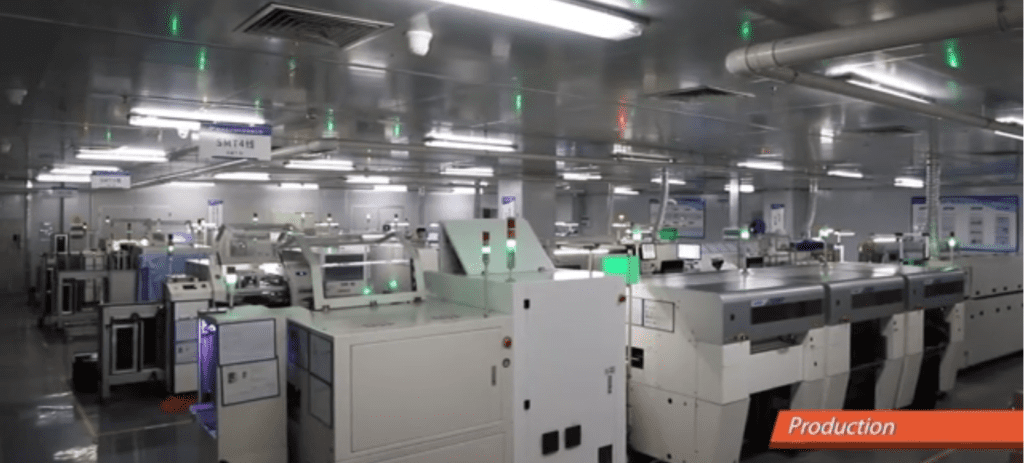
3.Selecting the cooperative factory: We will prioritize choosing factories with formal qualifications and stable production capacity, such as Huizhou Longjie Technology Co., Ltd. These factories have rich experience in manufacturing pet products and can ensure product quality and delivery efficiency.
4.Designing brand packaging: The packaging should highlight the brand’s characteristics and incorporate the core keyword “private label pet products”. It should also be in line with the aesthetic preferences of pet owners, such as adopting a cute style or a simple yet high-end style. Additionally, it should clearly indicate the core information of the product, such as the ingredients and the applicable age of the pets.
5.Obtain relevant certifications: Depending on the product type, obtain the corresponding certifications. For food products, a pet food production license and quality inspection report need to be obtained; for products of other types, they must comply with national safety standards to ensure the products are legally marketed.
6.Launch marketing promotion: Promote through social media, pet forums, and offline pet stores, precisely reaching the target audience. Coupled with promotional activities, it can attract the first batch of users.
III. How to Select Products
1.Keep an Eye on Market Trends: Pay attention to the hotspots in the pet economy, such as the current popular demands for pet health and intelligence, and develop corresponding products, such as probiotic pet snacks and intelligent feeders.
2.Leverage Your Own Strengths: If you are good at design, you can focus on customizing the appearance of pet products; if your resources are inclined towards supply chain, you can concentrate on high-quality and cost-effective pet food.
3.Verify market demand: Through questionnaire surveys and discussions within the pet community, understand the actual needs of pet owners, such as whether there is an urgent demand for hypoallergenic pet food. Then, decide whether to develop related products.
IV. What is a reasonable MOQ?
The MOQ (Minimum Order Quantity) should be determined based on one’s own funds, sales projections, and factory capacity:
- For beginners, they can choose self-branded pet products with a low minimum order quantity, usually ranging from 100 to 500 pieces. This helps reduce the cost of trial and error.
- If there is a certain market foundation, they can appropriately increase the MOQ and obtain more favorable OEM prices, thereby increasing the profit margin.
- When cooperating with factories like Huizhou Longjie Technology Co., Ltd., they can communicate in advance about the flexible adjustment plan for the MOQ to adapt to their own development rhythm.
V. Certification & Packaging
1.Certification:
- US market: Pet food must comply with the regulations of the FDA (Food and Drug Administration of the United States), including ingredient labels, production standards, etc.
- Nutrition claim: “Completely balanced” pet food must meet the nutritional standards set by AAFCO (American Association of Feed Control Officials).
- Functional claims: Claims related to “maintaining urinary tract health” and other health-related claims must comply with specific data requirements set by the FDA.
- Microbial products (such as probiotics, etc.): If the live bacterial content needs to be indicated, it must comply with the AAFCO standards and have a verifiable testing method.
2.Packaging aspect: The packaging design should be simple and clear, highlighting the core keyword “Private Label Pet Products”. It should also include information such as the product name, ingredients, production date, shelf life, and production address. Elements such as brand stories and product selling points can be added to enhance the brand appeal, for example, emphasizing “China’s own brand pet products directly supplied by the factory, with guaranteed quality”.
VI. How to Find Reliable Factories
1.Check Qualifications and Reputation: Prioritize factories that have valid business licenses and production permits. You can learn about the reputation of the factories through industry forums and pet merchants’ communities. For example, Huizhou Longjie Technology Co., Ltd. has a good reputation in the field of pet product manufacturing. Feedback from cooperating merchants indicates that its product quality is stable and the service is professional.
2.Field Inspection: If conditions permit, visit the factory’s production workshop and storage area, inspect the production equipment and process flow, and ensure that the factory has the capacity for large-scale production.
3.Communication Details: Communicate with the factory regarding details such as MOQ, delivery cycle, and after-sales guarantee. Huizhou Longjie Technology Co., Ltd. supports custom-designed own-brand pet products. They can adjust production processes according to brand requirements and also provide own-brand pet product solutions for retailers.
4.Signing the contract: Before the cooperation, a detailed contract should be signed to clearly define the product quality standards, delivery time, liability for breach of contract, and other terms, ensuring one’s own rights and interests.
VII. Cost and Profit Estimation
1.Cost Composition: Mainly includes raw material costs, outsourcing fees, packaging costs, certification fees, marketing expenses, etc. Raw material costs account for a large proportion, such as meat and grain raw materials for pet food; Outsourcing fees depend on the complexity of the product process.
2.Profit Estimation: The profit margin of private-label pet products is generally around 20% to 50%, which varies depending on product pricing, cost control, and sales volume. By comparing the prices of similar products and combining with one’s own costs, a reasonable selling price can be set to ensure the profit margin.
VIII. Free Consultation
If you encounter any problems during the process of building your private-label pet brand, such as product selection confusion or difficulties in factory coordination, you can contact us at any time. We will provide you with professional free consultation services to help your private-label pet brand get off to a successful start.